
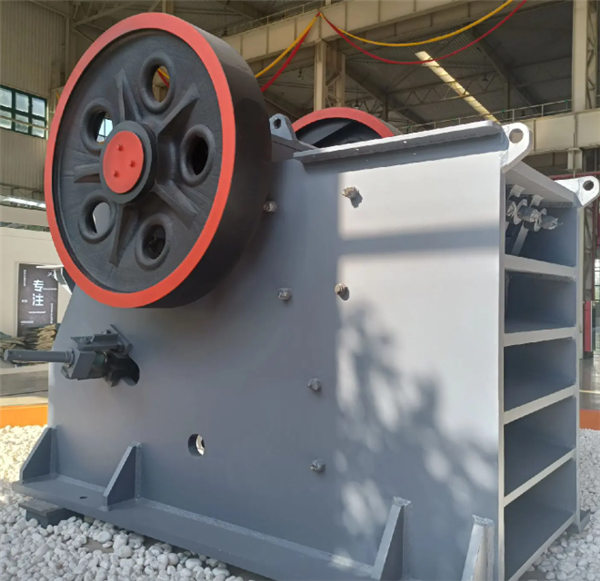
How to choose the large fine jaw crusher?
Fine crushing jaw crushers can meet different output requirements and adapt to various working conditions for sand and aggregate plants.
(1) Material PropertiesThe hardness, mud content and moisture content of materials are crucial technical indicators in production, while the feeding size of raw materials serves as a decisive
factor. Select whether to adopt a fine crushing jaw crusher as the primary crushing equipment according to the grain size of raw stones. If the feeding size is relatively small, materials can be directly sent to secondary crushing equipment such as impact crushers and cone crushers.
(2) Requirements for Finished Product QualityCustomers’ demands on finished aggregate grain size and particle shape determine the selection of crushing equipment. If finished stones with varied particle sizes are required, screening equipment shall be additionally equipped for classification and separation.
(3) Application of Finished ProductsStandards for sand and gravel aggregates vary in national infrastructure projects including highways, water conservancy, municipal construction and bridges. The stone production equipment shall be reasonably arranged based on the application of finished aggregates. For key projects with strict stone quality standards, the specifications of construction aggregates are highly stringent, and the entire processing flow needs to be more standardized and rigorous.
- Which Crusher is Best for Processing Aggregates?
- How to configure a 300 TPH sand production line?
- What equipment is used for basalt gravel production?
- Which is better for sand making: impact crusher or cone crusher?
- What are the complete stone crushing plant equipments?How much is a complete crushing production line?
- What are the differences between an impact crusher and a cone crusher?