
How to solve high mud content in machine-made sand
Too much mud in machine-made sand will greatly weaken concrete strength, make concrete easier to shrink and crack. It also ruins the workability and durability of mortar. This is a common quality problem in sand and gravel production lines. To fix excessive mud content effectively, you need to make overall improvements in raw material control, production processes, equipment, post-processing and daily management. This way, you can solve the problem fundamentally and keep sand quality stable.
Controlling raw materials at the source is the key to cutting down mud content. Most mud in finished sand comes from dirt on the surface of raw stones, soil layers inside rocks, weathered materials and other impurities. Before production, pick raw stones strictly. Do not use heavily weathered stones or rocks covered with thick surface soil and mixed with lots of dirt. Remove surface soil and soft rock layers in advance. Store different raw materials separately to stop silt and trash from mixing in. Harden the material yard and set up good drainage, to avoid mud mixing into stones after rain washing, and reduce dirt from entering the crushing and sand making process.
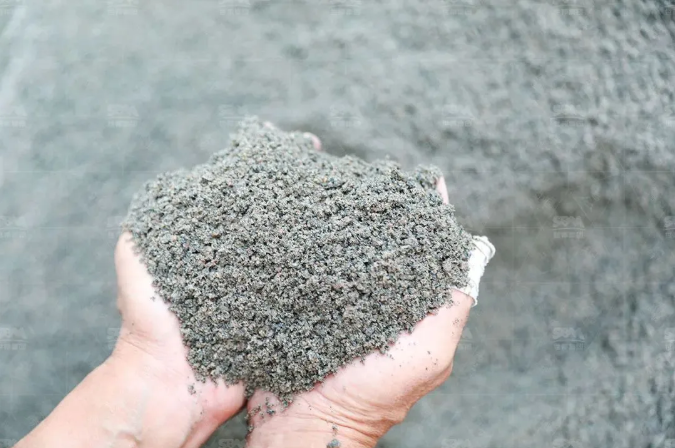
Improve crushing and sand making processes to stop fine dirt from mixing into sand. Many factories feed raw stones directly into crushers, so dirt gets crushed together with stones and mixes evenly into sand, which is hard to separate. Add a pre-screening step: use a vibrating screen to sift out surface dirt, fine soil and small impurities before crushing, to get rid of loose mud in advance. For sticky raw stones that easily stick together, add ore washing to clean surface mud first, then start crushing. Avoid over-crushing, which will turn soil into fine powder and mix into finished sand.
Upgrade washing and screening equipment to remove mud from final sand. Most ordinary production lines lack professional mud removal machines, which is a main cause of high mud content. Choose proper sand washing machines based on production scale. Wheel sand washers are simple and steady for small production lines, good for cleaning surface mud. For medium and large factories, spiral sand washers or fine sand recycling machines work better. They remove more mud and save lost fine sand, balancing quality and output. Besides, install high-frequency vibrating screens and dust collectors to separate mud powder, stone powder and dirt, and optimize sand grading. For raw materials with high mud content, use washing plus dewatering process. Dehydrate sand after washing to prevent re-sticking mud from extra water.
Standardize operation and daily management to keep stable sand quality. Adjust machine speed, feeding amount and washing water flow properly. Overfeeding leads to incomplete cleaning, while insufficient water cannot wash away mud. Change working parameters according to real mud content of raw materials. Clean screens, water tanks and sedimentation tanks regularly to prevent mud buildup and blockage. Tell the difference between stone powder and mud. Proper stone powder helps sand performance and does not need full removal, but mud must be controlled strictly. Test mud content regularly and set clear quality standards, adjust production methods once the index goes over the limit.
Washing sand alone cannot solve high mud content completely. Only combine source control, process optimization, professional mud removal equipment and strict daily management can you keep mud content within standard limits. With reasonable equipment matching and standardized production, machine-made sand can have stable grading and steady quality, meeting material needs for concrete, building materials and other construction projects.
- Which Crusher is Best for Processing Aggregates?
- What equipment is used to crusher stone into sand?
- What equipment is used for producing coarse sand?
- What are the types of granite sand making machines?
- How much does a sand making production plant cost?
- What are the differences between an impact crusher and a cone crusher?