
How much manufactured sand per ton of stone?
The amount of manufactured sand produced from one ton of stone is not fixed. It usually ranges from 0.7 to 0.95 tons. Most regular production lines have a stable sand yield of 0.8 to 0.9 tons per ton of stone, which is commonly known as a 80%–90% sand ratio in the industry. The rest is mainly stone powder, fine chips, and a small amount of waste. This ratio is directly affected by raw materials, equipment, production technology, and other factors.
Raw material properties are the foundation of sand yield. Soft stone with moderate hardness and uniform structure, such as limestone and dolomite, produces fewer internal cracks and less over-crushing during processing. Its sand yield is generally high, around 90%. Hard rocks like granite, basalt, and river pebbles are harder to crush and tend to create more stone powder under impact and grinding, so their sand yield drops to 80%–85%. Poor-quality stone with serious weathering and high mud content contains impurities that take up weight and block screens, further reducing the amount of qualified manufactured sand.
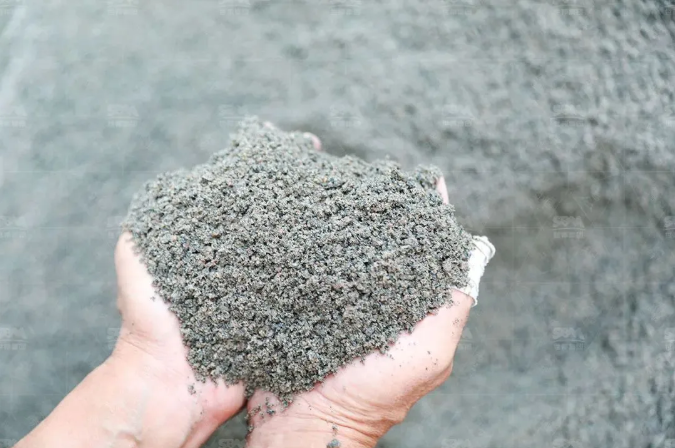
Production technology and equipment configuration directly affect the final output. A standard process — jaw crusher + cone crusher + sand making machine — with proper screening equipment can control particle size accurately, reduce repeated crushing, and keep sand yield stable. If equipment is undersized, running speed is mismatched, or screen size is improper, too much coarse material or excessive fine powder will appear, lowering the proportion of qualified manufactured sand. Dry and wet production also differ: wet washing removes some fine sand, so its sand yield is slightly lower than dry production, but the finished product is cleaner.
Requirements for fineness modulus and gradation also limit output. Sand for high-grade projects that needs fine texture and high cleanliness requires stricter screening and powder removal, which removes more unqualified fine material and reduces sand yield. For ordinary construction sand with looser gradation requirements and acceptable stone powder content, the sand yield can reach near the upper limit.
On average, one ton of stone produces about 0.8 tons of manufactured sand. With standardized production, high-quality raw materials, and reasonable technology, the sand yield can stay above 85%. Although stone powder is not counted as manufactured sand, it can be reused as eco-friendly building material to improve overall resource utilization. In actual production, optimizing equipment settings, choosing suitable raw materials, and fine process management can effectively increase sand yield, cut production costs, and improve economic benefits.
- What equipment is used to crusher stone into sand?
- Which is better for sand making: impact crusher or cone crusher?
- What are the differences between an impact crusher and a cone crusher?
- What stones are suitable for cone crusher?
- Which type of sand making machine for stone is better?
- Complete Equipment for 500TPH Sand Making Plant