
What raw materials are suitable for sand making?
Manufactured sand is widely used to replace natural sand in infrastructure, construction, road projects and concrete mixing. It stands out thanks to abundant raw material sources and stable quality. The quality of raw materials directly affects the strength, particle shape, gradation and practical value of finished sand. Based on market demand, processing difficulty, finished product performance and overall cost, the following materials are top choices in the sand making industry.
Granite is one of the best materials for sand production. It is hard, dense and highly compression-resistant with great wear resistance. After crushing and shaping, the finished sand has round particles, few flaky grains and stable gradation. It bonds well with cement, producing concrete with high strength and long service life, so it is widely used in high-rise buildings, bridges, water conservancy projects and other key construction works. Granite mines are widely distributed with large reserves, keeping mining and transportation costs reasonable. There is little dust and impurities during processing, leading to high qualified product rate. Its only downside is high hardness, which causes slight wear on processing equipment, so wear-resistant parts are required.
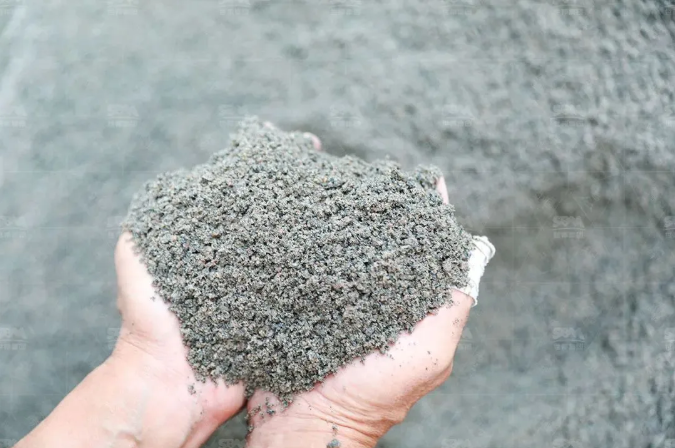
Limestone is the most cost-effective option for civil construction and general infrastructure. It has moderate hardness, easy to crush, which cuts down energy consumption and equipment wear while boosting production efficiency. Limestone sand features proper fineness modulus, natural qualified stone powder content and good workability. It is ideal for residential buildings, rural roads, plastering mortar and floor tile production. Easily accessible across most regions, it keeps overall production costs low and is the primary raw material for small and medium-sized sand plants. However, its strength is lower than granite, so it is not suitable for projects requiring high load resistance.
Basalt is a high-performance material for premium manufactured sand. It boasts outstanding hardness, toughness, wear resistance, impact resistance and frost resistance. Processed basalt sand delivers extremely high strength and regular particle shape, making it a preferred aggregate for expressways, high-speed railways, airport runways, ports and other demanding transportation projects. It also works perfectly for asphalt roads, greatly improving compression and anti-slip performance. On the flip side, basalt is difficult to mine and process with higher material and operational costs, so it is mainly adopted for high-end special projects.
River pebbles are great local materials. Polished by running water over time, they contain few impurities. Sand made from pebbles has round grains and extremely low mud content, perfect for commercial concrete and ready-mixed mortar. Pebbles are easy to collect from river areas with low weathering degree, ensuring stable finished quality. Yet pebbles vary in hardness, and some are tough to shape. Besides, river extraction is restricted by environmental regulations, limiting production scale.
Recycled materials such as mine tailings, construction waste and stone scraps align with eco-friendly development. After screening, cleaning and crushing, they can be turned into sand for road backfilling and temporary non-load-bearing projects, realizing efficient resource recycling.
- What equipment is used to crusher stone into sand?
- How to configure a 300 TPH sand production line?
- What are the complete stone crushing plant equipments?How much is a complete crushing production line?
- How much does a sand making production plant cost?
- What stones are suitable for cone crusher?
- 300 TPH Pebble Stone Crushing Plant Process Flow